
























Intake Management
Enterprise Procurement
Create a single intelligent entry point for all procurement requests. SAFAL uses AI-assisted intake, guided buying, and automated routing to ensure every request starts with the right process.
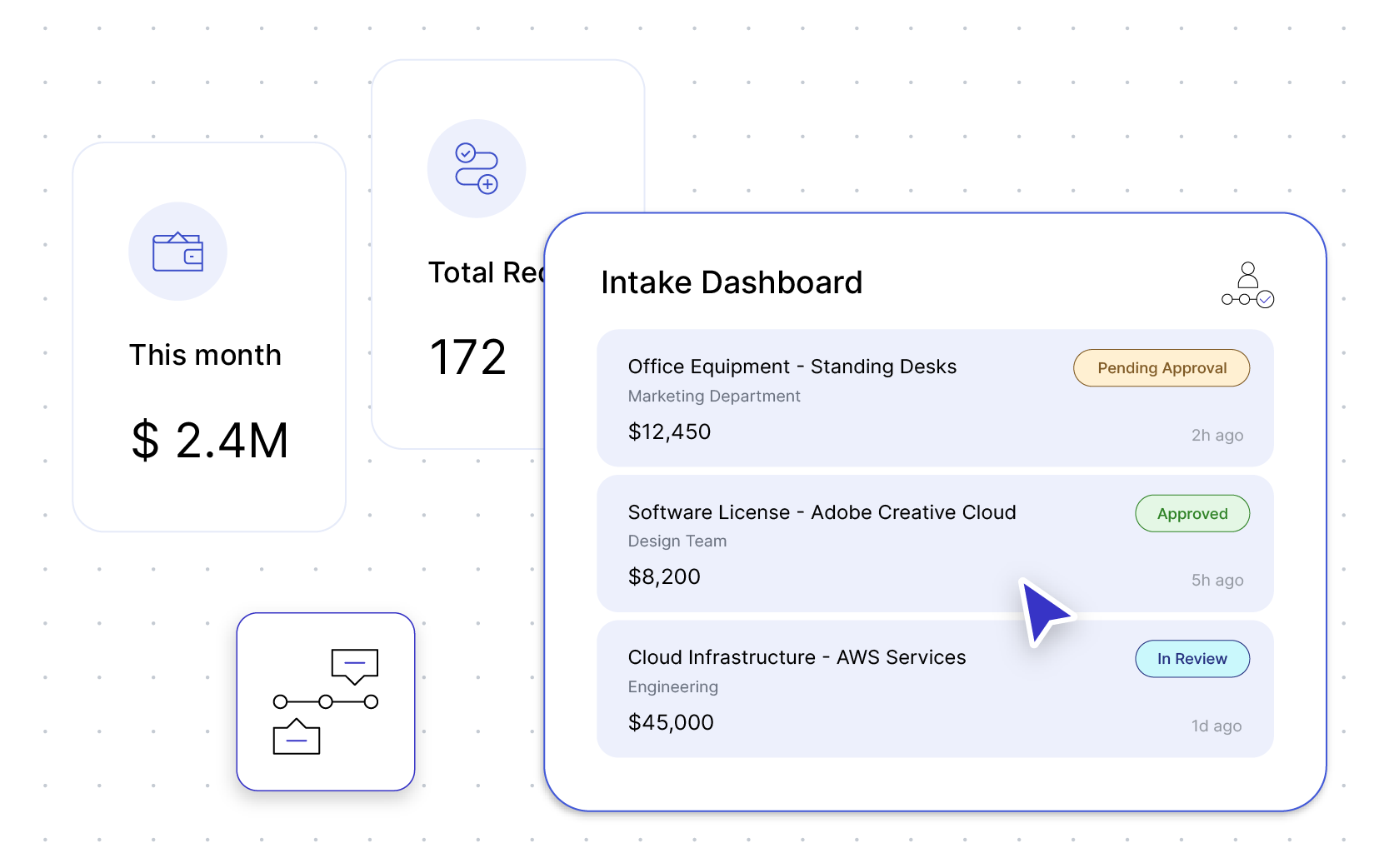



















In many enterprises, procurement requests often begin outside formal procurement systems. Business users frequently submit requests through emails, spreadsheets, chat platforms like Slack or Microsoft Teams, or even informal conversations. Because these requests are scattered across multiple channels, procurement teams often receive incomplete or inconsistent information.
This fragmented approach forces procurement teams to spend valuable time chasing details and clarifying requirements. It slows down sourcing and purchasing processes while limiting visibility into overall demand across the organization. As a result, procurement teams spend more time coordinating requests instead of focusing on strategic procurement initiatives.
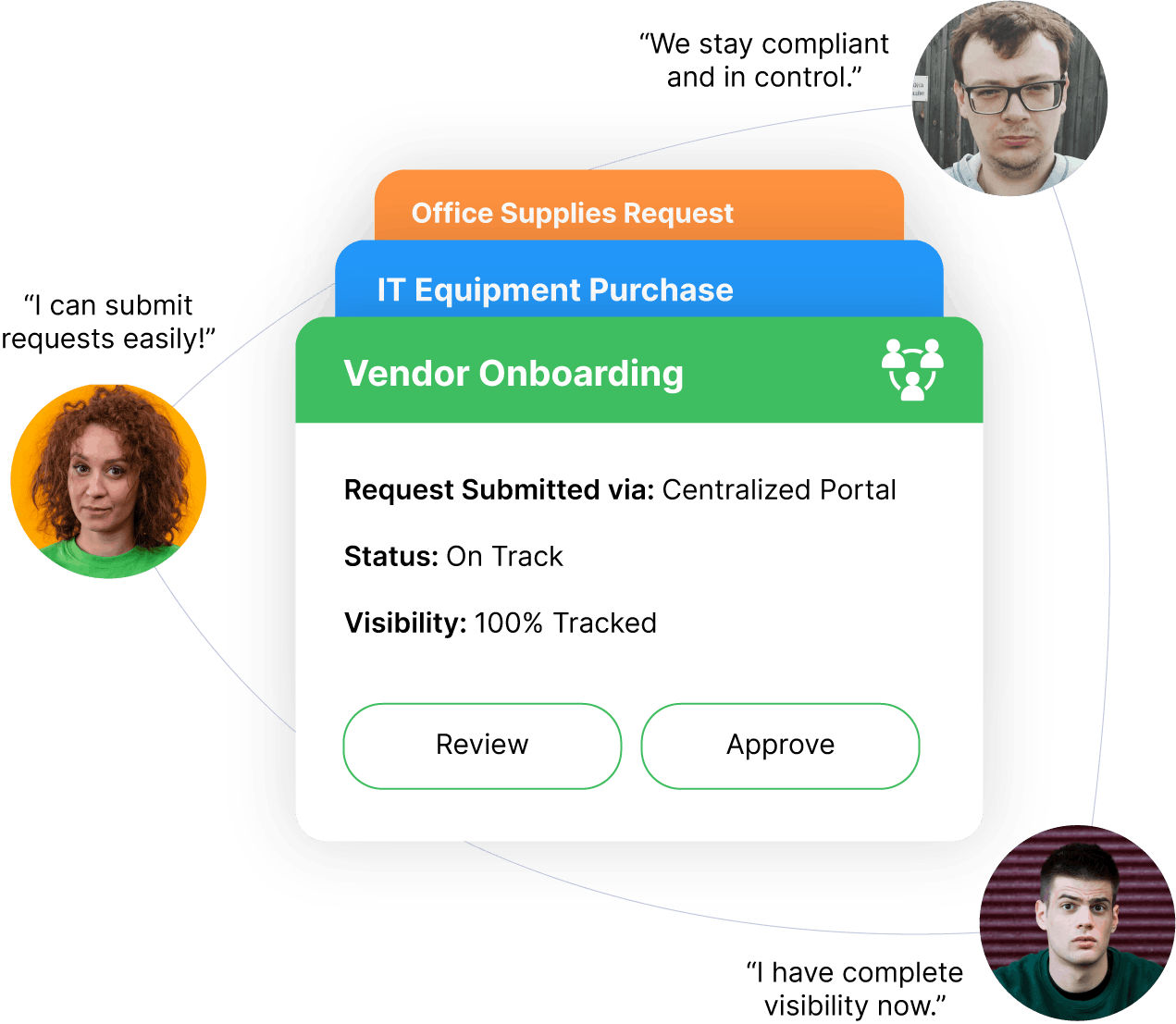
What is Procurement Intake Management?
Procurement Intake Management provides a single front door for all procurement requests.
Instead of informal communication, business users submit requests through structured intake workflows that:

How SAFAL Intake Management Works?
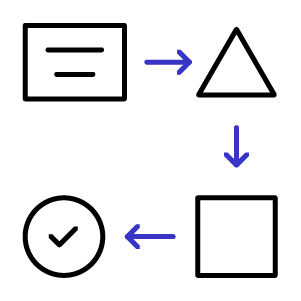
Guided Request Submission
- Category
- Request type
- Value thresholds
- Business unit policies

Intelligent Workflow Routing
- Strategic sourcing
- Catalog & purchase
- Spot buy
- Supplier onboarding

Built-In Governance
- Spend thresholds
- Category rules
- Entity or location
- Compliance policies

End-to-End Visibility
- Request status
- Assigned owner
- Process stage
- Expected timelines
Key Capabilities





Why SAFAL Intake Management
- Native integration with ERP systems
- Built for complex multi-entity enterprises
- Fully configurable workflows
- Integrated with sourcing, purchasing, and supplier collaboration
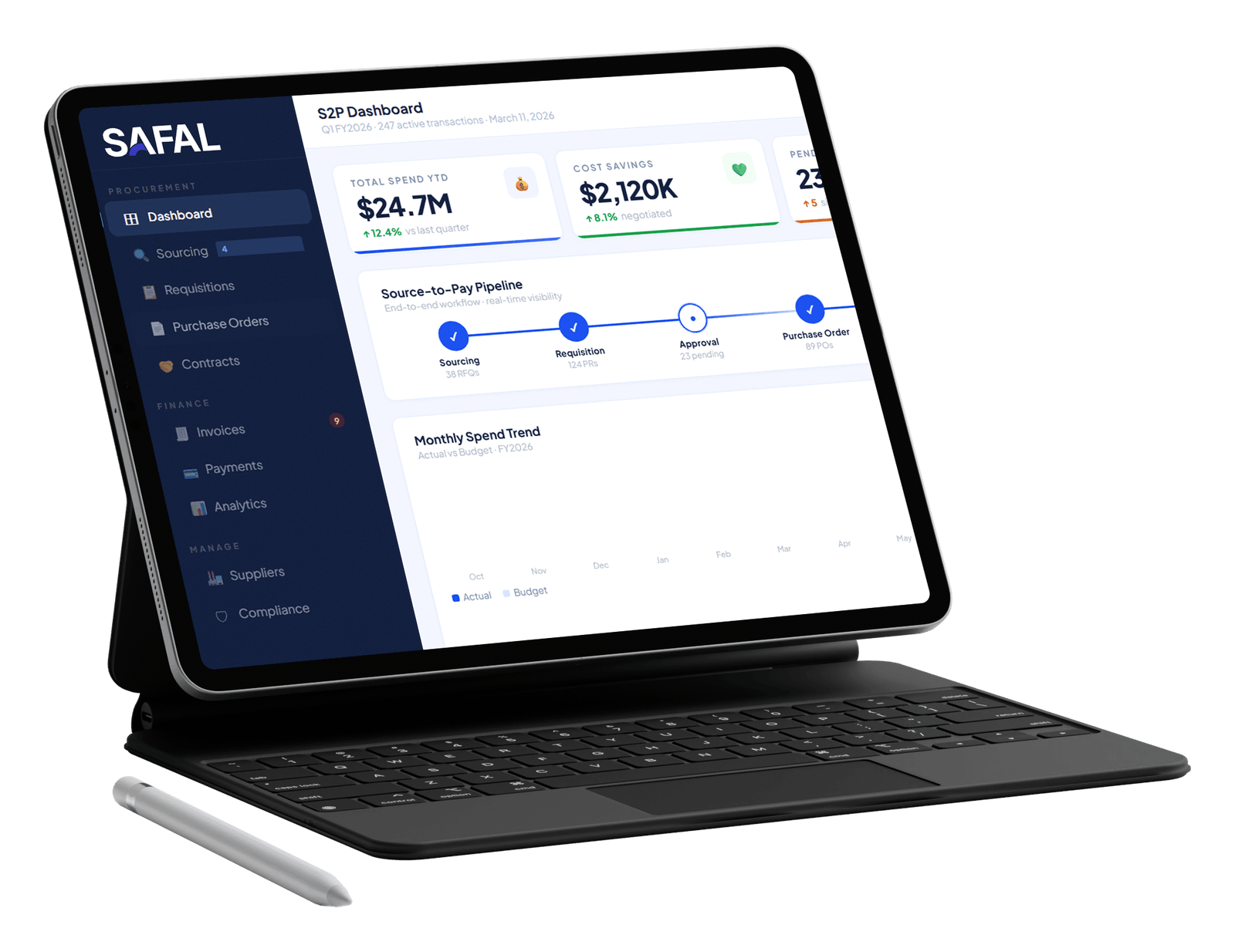
Transform Unstructured Procurement
Requests with SAFAL Intake
Without Structured Intake
- Requests come through email, chat, and spreadsheets
- Procurement teams chase missing information
- Manual routing to the right process
- Limited visibility into request status
With SAFAL Intake Management
- A single structured intake portal
- Guided request forms capture complete details
- Automatic routing to sourcing or purchasing
- Real-time tracking and transparency
Use Cases

Enterprise Procurement Teams

Shared Services Organizations

Global Enterprises

Procurement Transformation Initiatives
Benefits for Enterprise Procurement Teams
Improve Request Quality

Reduce Procurement Chaos
Strengthen Governance

Accelerate Procurement Cycles

Increase Procurement Visibility
Request a personalized walk through tailored to your procurement environment.

"Very Helpful for proactive spend control"
Director, Finance